What ancient India knew about elephant grief that modern science is only now confirming
Ancient Indian texts described elephants grieving after separation from their herds, an observation modern research on animal emotion is only now validating.
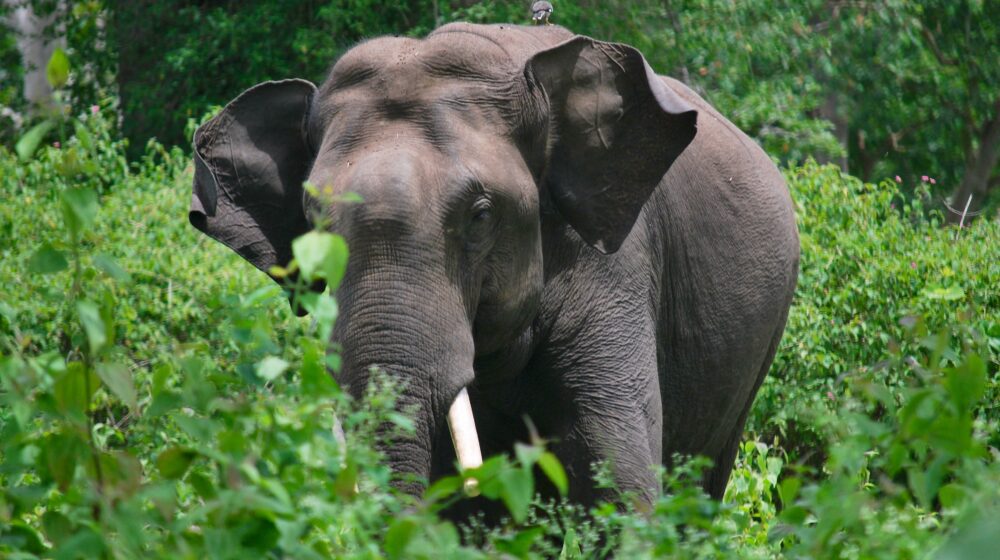
Modern researchers have only recently documented mourning, post-traumatic stress and individual personalities in elephants — but a new paper published in the Journal of Wildlife Science suggests ancient Indian scholars observed and recorded much the same phenomena more than 2,000 years ago.
Texts such as the Gajashastra and Hastyayurveda describe elephants separated from their closely knit family herds displaying signs interpreted as grief and psychological trauma, including refusing food, shedding tears and lethargy. Rather than treating these as purely physical ailments, ancient handlers recognised them as mental distress requiring a specific kind of care.
The prescribed remedy involved pleasant sounds, gentle touches and familiar routines aimed at emotional recovery — a striking contrast to assumptions that ancient animal management relied mainly on fear and physical domination. The texts frame the elephant’s mental tranquillity as directly tied to its health, immunity and lifespan.
Researchers say this ancient understanding of animal minds offers valuable context for current conservation and welfare practices, as wildlife biologists increasingly recognise that isolating socially and mentally developed species can cause serious psychological decline — an idea ancient Indian elephant handlers appear to have grasped two millennia ago.


Leave a Reply