No private car, no executive lunches: how one CEO led an airline through crisis
During Japan Airlines' financial crisis in 2009, CEO Haruka Nishimatsu gave up the usual perks of executive life, choosing public transport, staff cafeteria meals and an open office instead.
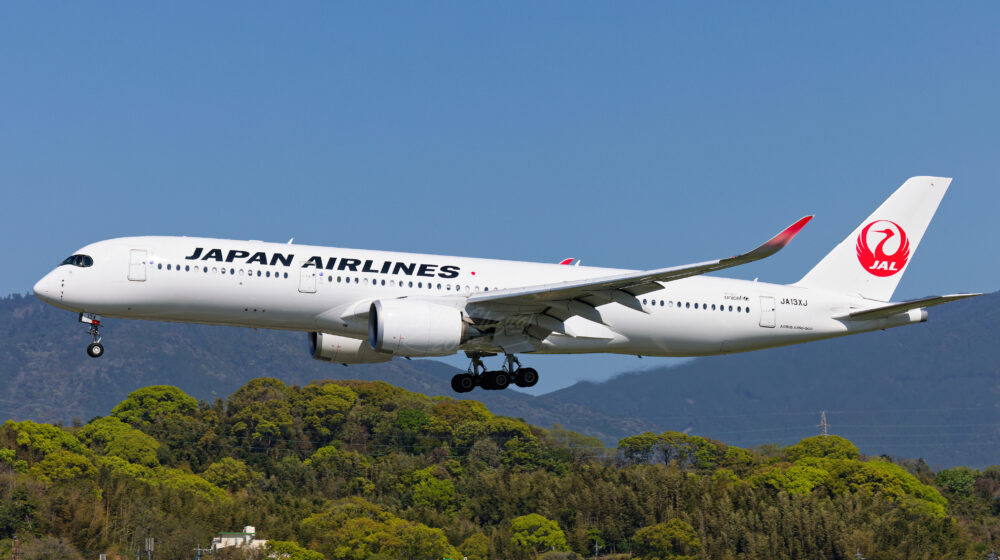
No chauffeured car. No executive dining room. No walls around his office. When Japan Airlines faced a severe financial crisis in 2009, CEO Haruka Nishimatsu gave up nearly every perk typically associated with running a major airline — and did it publicly enough that CBS News documented the change in an interview that has since become a widely cited example of leadership during hard times.
The global recession had sharply reduced demand for air travel, pushing JAL, then one of the most successful airlines in the world, into billions of yen in losses and forcing extensive restructuring. As salary cuts spread across the organisation, Nishimatsu reduced his own annual pay to about $90,000 — a figure CBS reported was far below what airline executives typically earned — arguing that leadership needed to experience the same economic pressure as everyone else at the company.
He commuted to work on Tokyo’s public bus network rather than in a chauffeured vehicle, wore affordable business suits instead of luxury brands, and ate lunch regularly with employees at the staff cafeteria. Perhaps the most symbolic change was structural: Nishimatsu had the walls around his office removed so that employees from anywhere in the company could walk in and speak with him directly.
“If management is distant, up in the clouds, people just wait for orders,” he told CBS News, explaining that he wanted employees to think independently and feel comfortable raising concerns without hesitation. Nishimatsu’s underlying philosophy centred on accountability — that when things went wrong, responsibility belonged with leadership, not just frontline staff — a belief that echoed comments from other executives like Southwest Airlines CEO Gary Kelly. JAL eventually went through bankruptcy protection before returning to profitability, but Nishimatsu’s approach to crisis leadership has continued to be referenced as a model of shared sacrifice in the corporate world.


Leave a Reply