Why scientists think alcohol fumes may explain the Mary Celeste’s missing crew
Researchers recreating conditions aboard the Mary Celeste believe alcohol vapours from its cargo may have triggered a panicked evacuation that left the ship abandoned but intact.
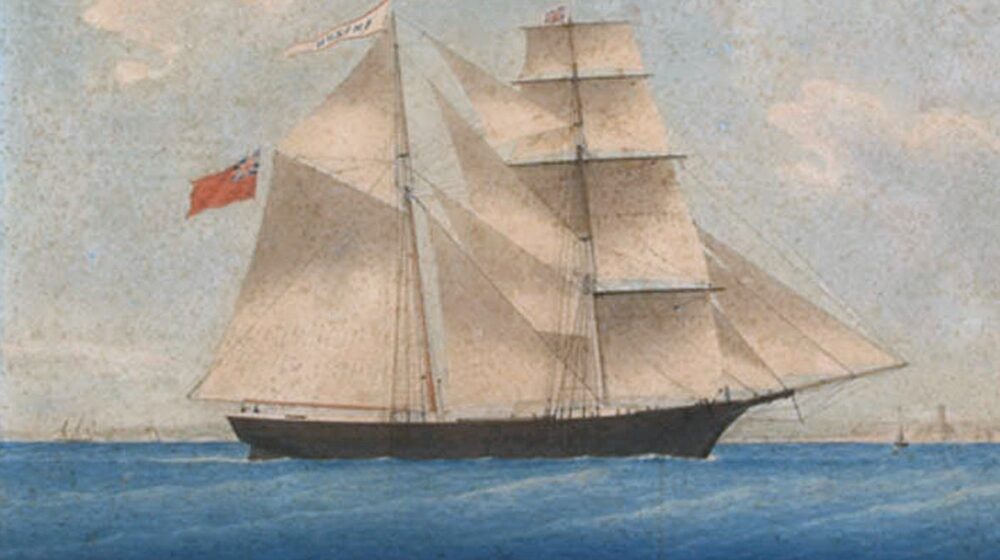
Because no bodies were ever recovered and the crew of the Mary Celeste was never seen again, speculation quickly filled the gaps left by the official 1872 investigation, according to Smithsonian Magazine. Among the theories, one has drawn particular scientific interest: that fumes leaking from the ship’s alcohol cargo convinced Captain Benjamin Briggs an explosion was imminent, prompting everyone aboard to temporarily abandon ship in the lifeboat.
One of the more widely discussed modern explanations came from researchers who recreated conditions aboard the ship and suggested that alcohol vapours escaping from damaged barrels could have caused a loud pressure-wave explosion without leaving burn marks or significant structural damage. Such an event might have frightened the captain into ordering a precautionary evacuation, believing the danger to be immediate even though the ship itself remained largely intact.
The Mary Celeste had departed New York on November 7, 1872, carrying more than 1,700 barrels of industrial alcohol bound for Genoa, Italy. When the British brigantine Dei Gratia discovered the ship drifting near the Azores nearly a month later, its cargo, food and fresh water remained largely untouched, and the captain’s family and seven crew members had vanished, along with the ship’s lifeboat.
Other theories have proposed that rough seas, waterspouts, or an unusually large wave may have separated the lifeboat from the vessel before those aboard could return. None of these explanations has ever been conclusively proven, leaving the fate of Briggs, his family and crew one of the most enduring unsolved mysteries ever recorded at sea.



Leave a Reply