Stealth over speed: how mountain lions and bobcats both hunt without a chase
Mountain lions and bobcats share a stealth-based hunting style, despite targeting very different prey across North and South America.
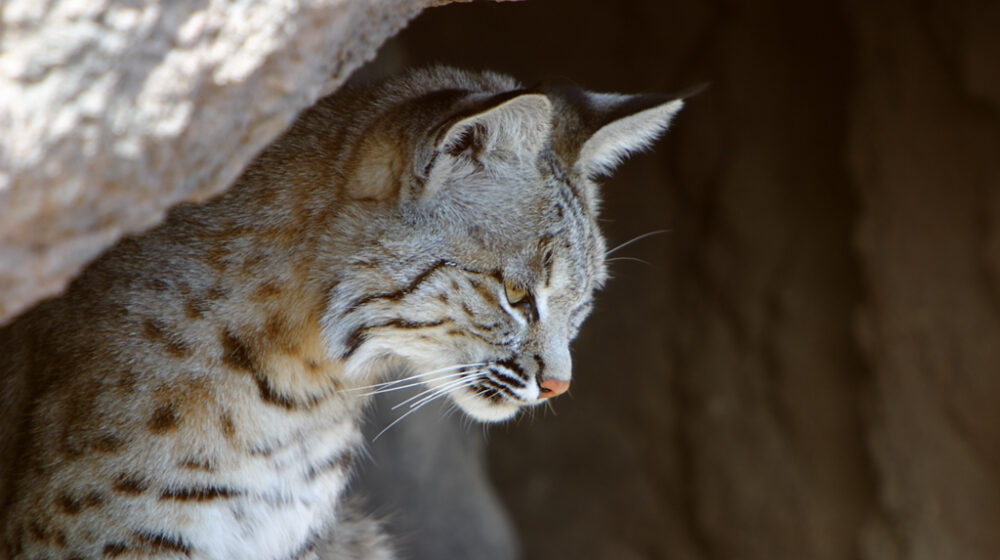
Mountain lions and bobcats rely on stealth rather than prolonged chases, preferring to get close before launching an attack using cover and patience to gain the advantage — a shared hunting philosophy across two very differently sized North American wild cats.
Mountain lions regularly target deer and other medium-sized mammals, with larger individuals sometimes attempting prey far heavier than themselves. Such hunts carry real risk: hooves, antlers and horns can inflict severe injuries, and some cats are seriously wounded during these encounters.
Bobcats usually focus on smaller animals, with rabbits forming an important part of their diet in many areas, alongside rodents, birds and other small vertebrates. They are opportunistic hunters that adjust their menu to local conditions, and while capable of tackling larger prey when circumstances allow, they rarely depend on it the way mountain lions depend on deer.
The scale difference between the two predators is stark — mountain lions are among the biggest cats in the Americas, with adult males often several times heavier than a bobcat, while the bobcat’s shorter tail, flared facial fur and black-marked ears give it a distinctly different look from its much larger cousin.


Leave a Reply