Scientists finally observe how Earth builds new ocean crust, in real time
A rare, fully instrumented seafloor spreading event in the Indian Ocean has given scientists a real-time view of how Earth creates new oceanic crust.
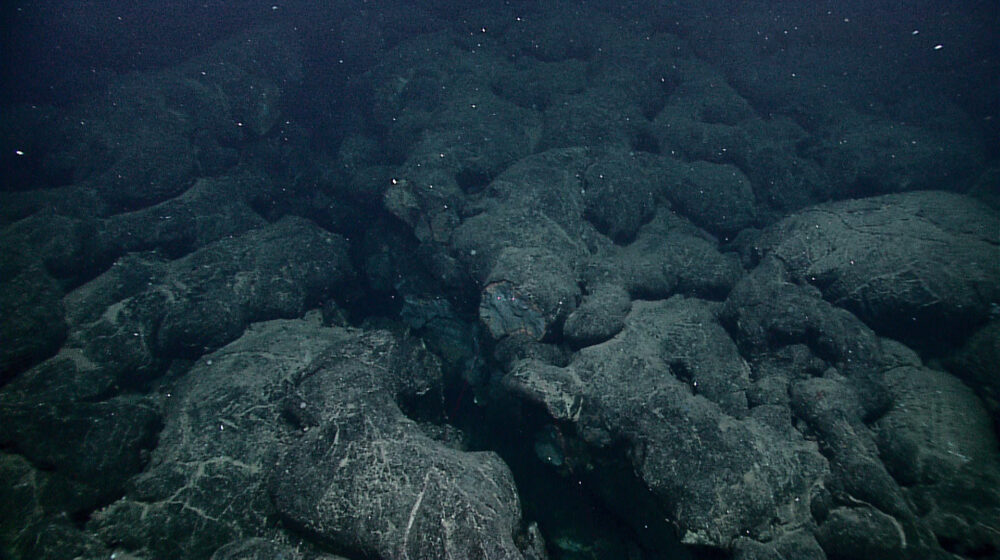
Mid-ocean ridges form a global network more than 65,000 kilometres long, constantly producing new oceanic crust as tectonic plates pull apart — but the process itself has almost never been directly observed. That changed in April 2024, when an instrument array in the southern Indian Ocean happened to be positioned exactly where a seafloor spreading event began.
According to a study published in Nature on July 8, 2026, titled ‘Anatomy of a seafloor spreading event captured by in situ seismogeodesy,’ researchers used a combination of acoustic, geodetic and pressure-monitoring instruments to capture the first complete, in-situ record of such an event, deployed by the OHA-GEODAMS project along the Southeast Indian Ridge just two months before the eruption began.
The sequence started with a migrating swarm of earthquakes on April 26, 2024, followed by several metres of seafloor subsidence and horizontal stretching exceeding one metre, as a magma-filled dyke propagated through the crust and nearby faults slipped. The underground activity eventually reached the surface, producing lava flows exceeding 90 metres in thickness across the ridge valley.
The total eruption volume is estimated at between 148 million and 160 million cubic metres of lava, delivered over roughly 16 days at an average rate of nine to ten million cubic metres per day — giving researchers an unprecedented, real-time view of how Earth actually builds new crust.


Leave a Reply