How a self-regulated brokers’ club became India’s first officially recognised stock exchange
The Bombay Stock Exchange operated as a self-regulated body for decades before gaining official government recognition in 1957.
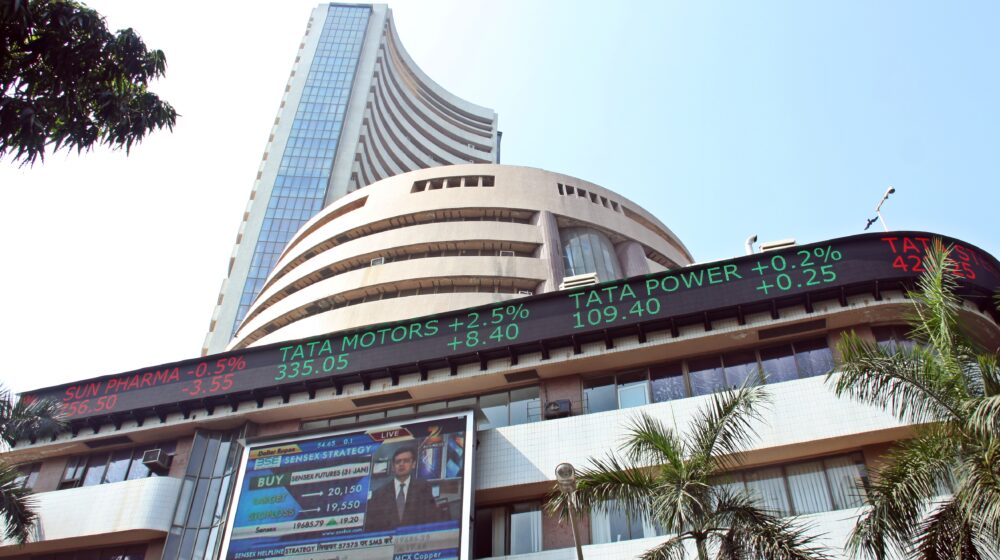
For decades after its founding, the Native Share & Stock Brokers’ Association — the body that would become the Bombay Stock Exchange — functioned as a self-regulated group. The absence of formal regulation allowed markets to grow, but it also exposed investors to manipulation and speculative excesses as trading practices varied significantly from broker to broker.
As India’s financial system matured, the need for legal recognition became increasingly apparent. A major milestone came in 1957, when the government granted permanent recognition to the Bombay Stock Exchange under the Securities Contracts (Regulation) Act, transforming it into India’s first officially recognised stock exchange.
The exchange’s origins trace back to 1875, when brokers who had been informally trading shares under a banyan tree near Mumbai’s Town Hall formed the Native Share & Stock Brokers’ Association on July 9 that year — a foundation moment for what has since grown into one of the world’s oldest stock exchanges, now turning 151.
The exchange has since lived through colonial rule, Independence, wars, financial crises and liberalisation, evolving from face-to-face deals and shouted bids on a trading floor into a market running on algorithmic trading and microsecond transactions, while continuing to serve its original purpose of connecting businesses seeking capital with investors looking to build wealth.


Leave a Reply