Bumblebees’ hairy bodies may explain why they absorb more toxic metals, study suggests
Scientists say the dense body hair and electrical charge of bumblebees may make them more prone to picking up toxic metal particles than honeybees.
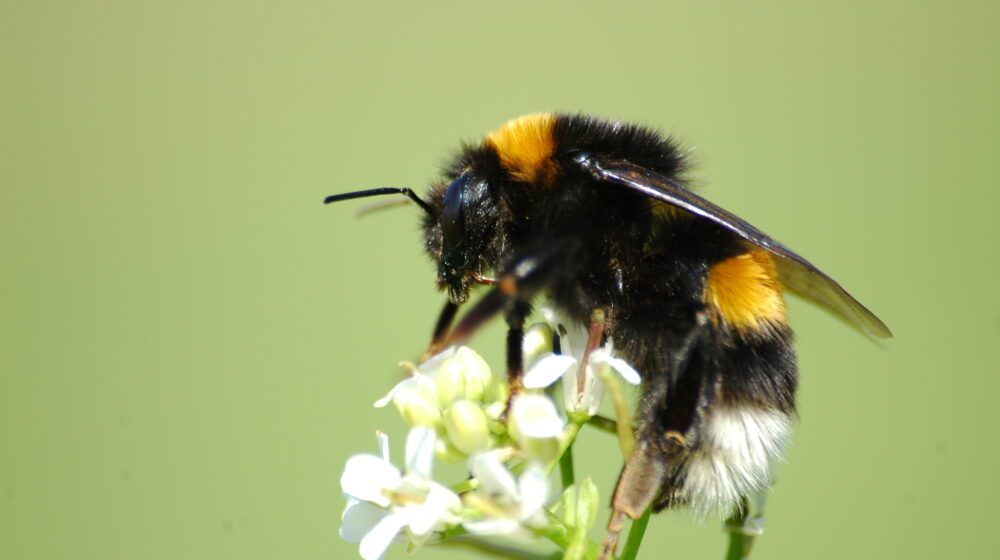
The answer to why bumblebees absorb far more toxic metals than honeybees may lie in something as simple as body hair, according to a new study in the journal Ecological Entomology. Bumblebees are noticeably hairier than honeybees, with a dense coat that helps them collect pollen efficiently and fly in cooler conditions.
That same feature, researchers say, may also make bumblebees more likely to accumulate contaminated dust particles while moving through the environment. Airborne particles carrying trace metals can adhere to insects during flight, and bumblebees possess longer, denser hairs while also tending to carry a stronger positive electrical charge than honeybees — a charge that may attract negatively charged dust particles and increase the odds of metal-laden particles sticking to their bodies.
The study compared colonies of buff-tailed bumblebees and western honeybees placed within the same locations in Cambridgeshire, England, some less than 50 metres apart, and found bumblebee-collected pollen held two to seven times higher concentrations of arsenic, chromium, cobalt, lead and tin than honeybee pollen.
Adult bumblebees also carried higher metal loads within their bodies than honeybee workers, researchers found — a result they say is striking given how often honeybees are used as stand-in indicators for environmental pollution more broadly.



Leave a Reply