What are offshore breakwaters, and can they really save Britain’s beaches?
Researchers explain how offshore breakwaters work and why their effectiveness against coastal erosion depends heavily on local conditions.
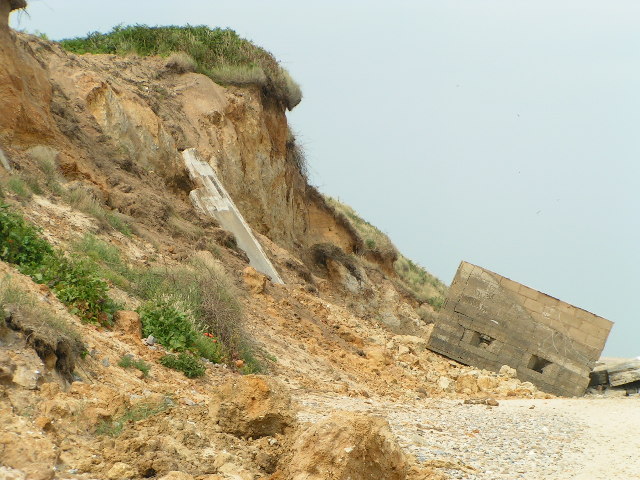
An offshore breakwater is a barrier, often built from boulders or concrete, positioned away from the shore to absorb wave energy before it reaches the coast — reducing erosion by slowing sediment loss and, over time, allowing sediment to accumulate behind the structure to help maintain the beach itself.
The concept is being considered in Thorpeness, Suffolk, where part of the coastline was severely damaged last autumn and winter, prompting emergency rock protection from the East Suffolk Council while officials develop a longer-term defence plan. Similar methods have been used for coastal management projects worldwide, and studies in the journal Ocean Engineering have examined how offshore structures affect wave patterns, sediment transport and shoreline behaviour.
However, their effectiveness depends heavily on local conditions such as tidal currents and geology, and according to the UK’s Environment Agency, defences should be designed for specific locations since there is no universal solution. Coastal defences can also shift erosion elsewhere by altering sediment movement, which is why experts increasingly favour a combined approach — including dune restoration, beach replenishment and engineered defences deployed only where they are most effective.
The stakes are rising: the Intergovernmental Panel on Climate Change warns that sea level rise and extreme weather are posing greater risks to coastal settlements worldwide, with the British Geological Survey warning that many properties across Britain face erosion threats in the coming years.


Leave a Reply