Study finds China’s sponge cities cheaper than traditional flood defences
Research on China's sponge city projects in Wuhan and Xiamen found the approach delivered economic benefits over traditional flood defences.
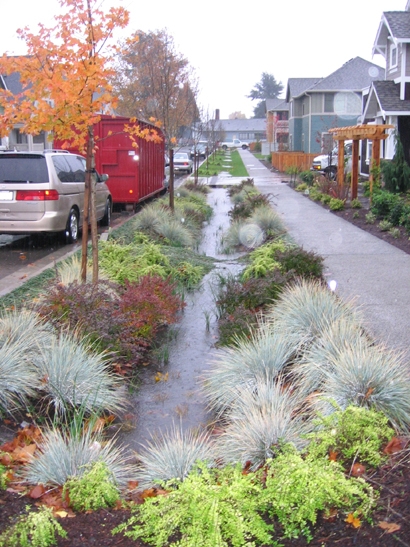
A case study of Wuhan’s sponge city project found it worked out considerably cheaper than a proposed alternative approach to strengthening the city’s flood resistance, according to a review published in the journal Water Science and Technology. A separate case study examining Xiamen found that when all potential flood damages were taken into account, the economic benefits of sponge city infrastructure outweighed its implementation costs.
The findings have been used to support continued investment in China’s broader sponge city programme, an urban planning approach that swaps traditional drainage systems for softer, more absorbent infrastructure designed to soak up rainwater, store it and release it slowly over time.
Chinese President Xi Jinping first put the concept forward as national policy in 2013, in response to cities increasingly prone to both severe flooding and persistent water shortages after rapid urbanisation replaced natural ground cover with impermeable concrete and asphalt.
China’s approach began with a pilot programme covering 30 selected cities in 2013, and the country now aims to make 80% of its urban areas sponge-like by 2030, according to a World Bank account of the programme.



Leave a Reply