RRTS risks becoming ‘an expensive commuter railway’ without jobs nearby, PwC’s Devayan Dey warns
PwC India's Devayan Dey says RRTS corridors need businesses, housing and services to develop around stations, or they risk becoming costly commuter lines rather than drivers of balanced regional growth.
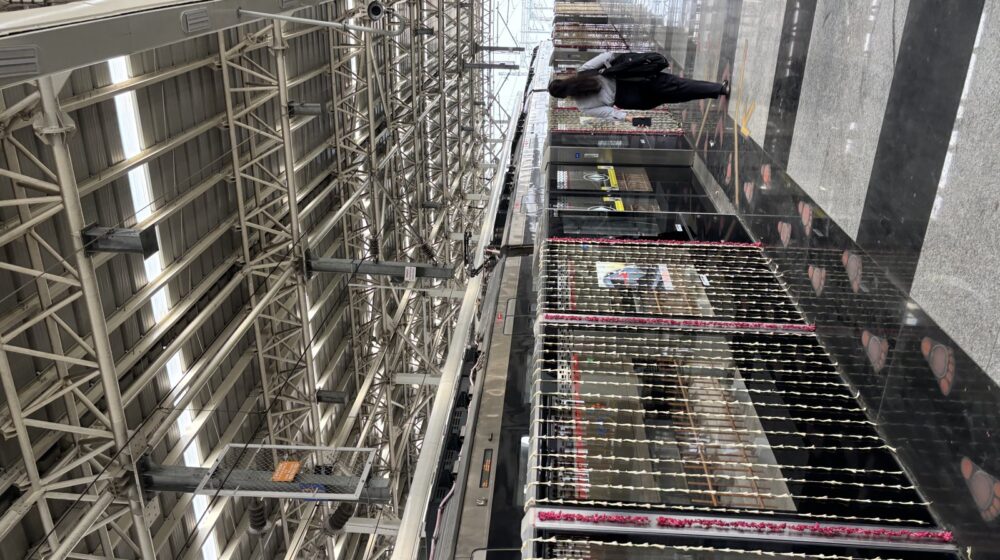
The real test for India’s expanding Regional Rapid Transit System, or RRTS, network is how effectively the ecosystem around it evolves, according to Devayan Dey, partner for the transport, logistics and infrastructure sector at PwC India. ‘The first question is whether the corridor addresses an existing mobility constraint. If it shifts significant traffic from congested roads and conventional rail, the benefits are immediate,’ he told TOI.
But if a corridor primarily generates new travel into Delhi without decentralising economic activity, Dey warned, congestion could simply increase around the capital due to an influx of new commuters. ‘Therefore, RRTS must be accompanied by last-mile connectivity, commercial districts, housing, education, healthcare and industrial/service clusters around stations,’ he said.
Dey said the objective should not simply be moving people out of Delhi or bringing more people into the capital, but moving jobs and economic activity closer to where people live. ‘Unless businesses, institutions and services develop along these corridors, RRTS risks becoming an expensive commuter railway instead of a catalyst for balanced regional growth,’ he cautioned, adding that policymakers should closely monitor whether RRTS reduces or widens regional disparities.
The Delhi-Meerut RRTS corridor, the first full stretch of the network, has already seen strong uptake, with cumulative ridership crossing about 3.5 crore passenger journeys and around one lakh passengers travelling daily since its February 2026 inauguration, according to NCRTC managing director Shalabh Goel.
Vivek Agarwal of KPMG in India said businesses gain flexibility to relocate or expand into Tier-2 cities along the corridors, since seamless connectivity ensures access to talent and markets without being concentrated in Delhi, helping distribute economic activity more evenly across the region.



Leave a Reply