Up to 25% of Karnataka adults get migraines: doctors link the spike to Bengaluru’s traffic
Neurologists say Bengaluru's traffic combines multiple known migraine triggers into a single commute, contributing to migraine rates as high as 25% among adults in Karnataka.
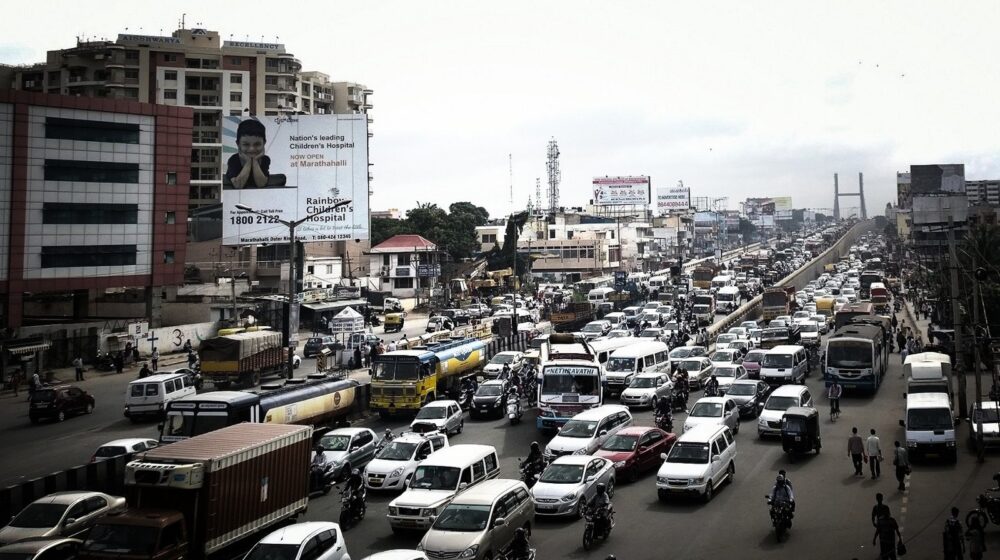
Migraine affects approximately 12-15% of adults worldwide, but estimates suggest 14-25% of adults in Karnataka experience migraines, a rate doctors are increasingly linking to Bengaluru’s traffic-heavy daily routines. Unlike ordinary headaches, migraine attacks may last four hours to three days and are often accompanied by nausea, vomiting, and sensitivity to light and sound.
Neurologists explain that traffic itself does not cause migraine, which develops through a combination of genetic susceptibility and environmental triggers. Traffic, however, combines many known migraine triggers into a single day: chronic stress, long daily commutes, irregular meals, dehydration, sleep deprivation, prolonged screen exposure, traffic noise, vehicle fumes and sudden weather changes among them.
According to Dr. Nitin Gupta, a neurologist, migraine attacks rarely begin because of a single trigger and are often the result of several lifestyle and environmental factors acting together. For many Bengaluru professionals, a typical day involves skipping or delaying breakfast, enduring long traffic commutes, spending extended hours in front of screens, missing meals, staying poorly hydrated, working long hours, and then facing another lengthy commute home — a cycle that neurologists say greatly increases attack frequency in people genetically prone to migraines.
Doctors recommend maintaining a regular sleep schedule, eating meals on time, staying hydrated, exercising regularly, limiting unnecessary screen time, practicing meditation or stress management, keeping a migraine diary, and seeking medical advice if attacks become more frequent.
Doctors also note that migraine is only one part of a broader health picture linked to Bengaluru’s traffic, alongside noise-related hearing damage, air pollution effects on respiratory health, and long-term impacts on sleep, anxiety and productivity.


Leave a Reply