Cheaper EMI, separate battery bill: why India’s Battery-as-a-Service savings may be smaller than they look
Battery-as-a-Service financing lowers EV purchase prices in India, but buyers end up managing two parallel payments that can narrow the apparent savings.
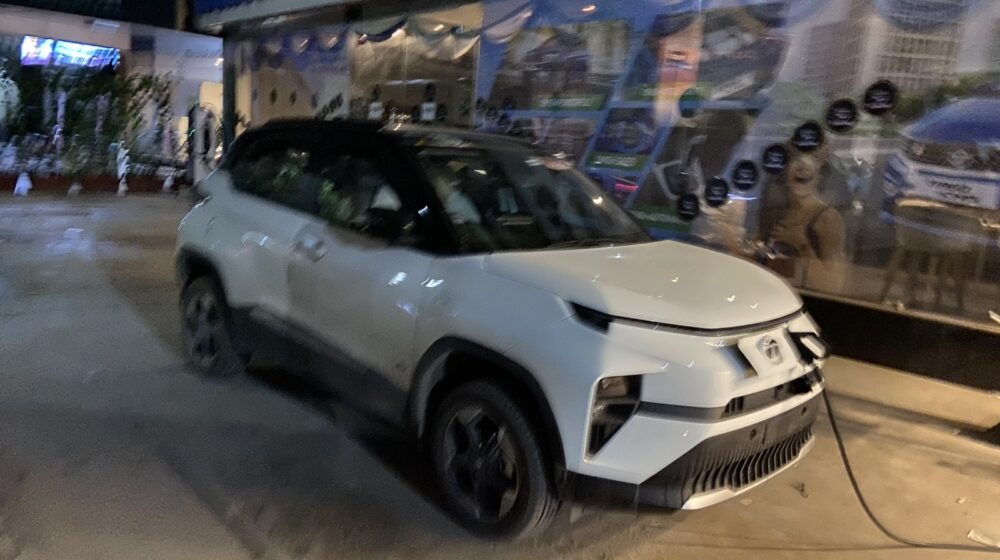
Battery-as-a-Service, or BaaS, financing has made EVs look significantly cheaper at purchase across India’s car market. A Tata Punch EV priced at Rs 9.7 lakh can be driven home for Rs 6.5 lakh under a battery financing plan, Hyundai’s Creta Electric falls from Rs 18 lakh to Rs 11 lakh, and Maruti’s Grand Vitara EV becomes cheaper by almost Rs 8 lakh upfront.
What many buyers overlook is that BaaS creates two parallel payment obligations rather than one: a vehicle loan EMI, and a separate, ongoing battery payment. A Tata Punch EV buyer, for example, may pay a lower EMI on the vehicle itself, but the battery continues to be financed separately, narrowing the apparent savings over time.
Current BaaS plans charge between about Rs 2.3 and Rs 5 per km depending on the model. A driver covering 15,000 km annually under a Rs 4-per-km plan would pay roughly Rs 60,000 a year, or about Rs 3 lakh over five years, before taxes, escalation clauses or financing charges are factored in.
Minimum monthly billing clauses can add further cost for lower-mileage drivers. Citroen’s eC3X requires payment for at least 2,000 km every month, translating into a battery bill of about Rs 4,520 even if usage is lower, while Maruti Suzuki’s e Vitara has a disclosed minimum of 1,800 km per month, resulting in a minimum monthly battery charge of around Rs 7,200.
Tata Motors describes BaaS as ‘primarily a financing tool, not a mobility service’ intended to reduce the upfront acquisition cost of EVs, while noting that most customers still prefer outright ownership of their EVs in the end.
Not every carmaker has been equally transparent about the terms. Hyundai did not comment on whether it offers BaaS for the Creta Electric, and Maruti did not respond to queries about the Grand Vitara EV, leaving buyers to weigh some of the sharpest discounts without full visibility into the long-term cost structure.



Leave a Reply