Swiss National Bank’s Secret Alpine Vault: How WWII Reshaped Where Switzerland Kept Its Gold
A new historical study shows the Swiss National Bank moved its gold reserves into a fortified Alpine vault as World War II approached, reshaping its storage strategy.
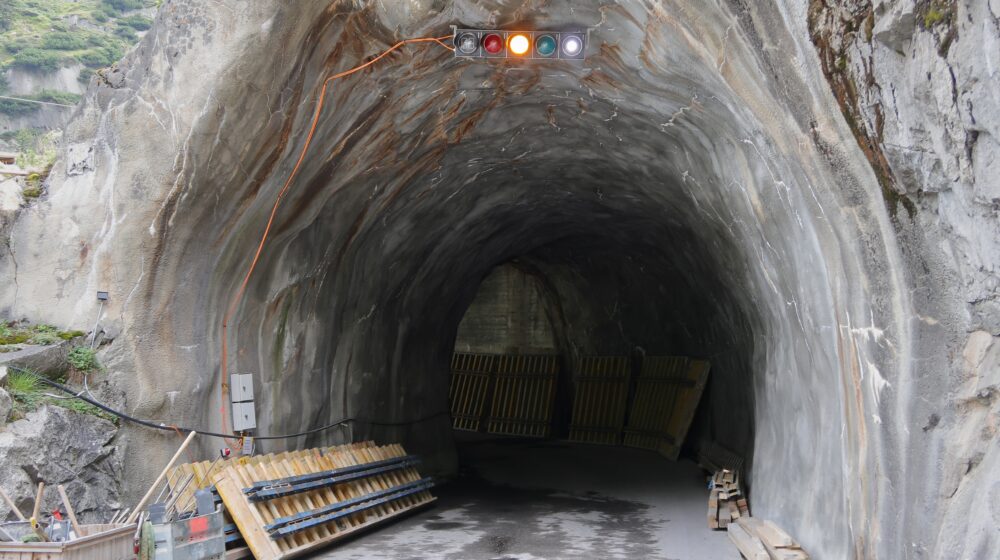
The Swiss National Bank’s response to the outbreak of World War II involved more than financial caution — it meant physically relocating a large share of the country’s gold reserves into a fortified vault carved into the Bernese Alps, according to a new study published in the Journal of Contemporary History.
Drawing on previously undocumented material from the bank’s own archives, historian Ludo Groen of ETH Zurich found that a military ammunition depot in the Alps was converted in 1939 to house the bank’s domestic gold. The site’s underground location offered protection and secrecy the bank’s city vaults in Zurich and Bern were unable to provide as wartime tensions rose.
What started as an emergency evacuation plan grew into something more permanent as the war went on. Switzerland’s gold bar holdings expanded rapidly, and the Alpine facility was converted from a fallback option into a full-time storage centre for reserves that no longer fit in the urban vaults.
The research overturns the long-standing view that Swiss gold was concentrated mainly beneath major banking centres, showing instead that the bank built out an entire supporting network — security measures, transport routes and administrative systems — to manage the mountain vault as gold inflows accelerated.
The Alps had already been central to Switzerland’s defence planning through its ‘National Redoubt’ concept, and the study shows the bank’s financial strategy became interwoven with that same defensive framework, decentralising bullion storage away from densely populated cities during one of the most turbulent periods in modern European history.



Leave a Reply