A wastewater fix that also makes hydrogen: the new patent out of Chandigarh
Panjab University has been granted a patent for a nanocomposite technology that simultaneously treats wastewater and produces green hydrogen.
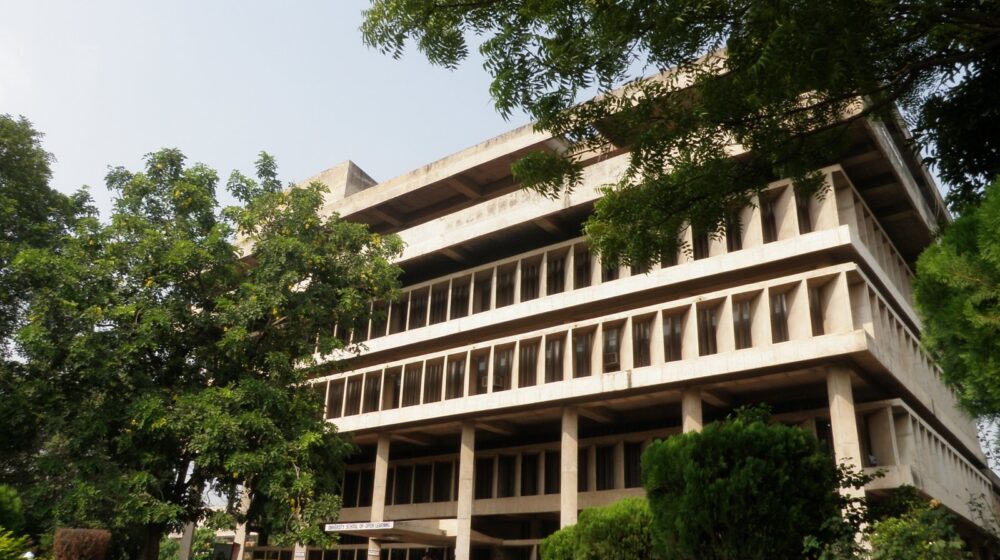
A patent granted to a team of researchers at Panjab University in Chandigarh combines two things that are usually tackled separately: cleaning polluted wastewater and producing green hydrogen. The patent covers ‘Nanocomposite Material for Photocatalytic Dye Degradation and Hydrogen Generation Coupled with Benzyl Alcohol Conversion’, and names Dr Pinki Sehrawat, Prof Sushil Kumar Kansal, Prof Surinder Kumar Mehta and Dr Surinder Singh as its inventors.
The technology relies on a nanocomposite photocatalyst that, under solar or visible light, degrades hazardous dyes found in wastewater while generating hydrogen gas at the same time. University officials said the process also converts benzyl alcohol into benzaldehyde, a chemical used across the pharmaceutical, fragrance and chemical sectors.
Rather than treating water pollution, renewable energy production and chemical synthesis as three separate problems, the patented process handles all three within a single system, according to the university. Officials described it as a sustainable approach that pairs environmental cleanup with clean energy output.
The researchers said the technology is aligned with the goals of India’s National Green Hydrogen Mission and could support future research and skill development in photocatalysis, nanotechnology, renewable energy and hydrogen production. They said it also carries potential to boost industry-academia collaboration and support indigenous clean-energy solutions in the country.
Panjab University’s support and facilities were credited by the research team as central to the project reaching the patent stage.
Wikimedia Commons/by Juichi1


Leave a Reply