Scientists checked, and no, ancient humans didn’t eat this tiny cat
A 300,000-year-old cat fossil found at a Chinese cave site shows no butchery marks, meaning the tiny ancient feline likely wasn't hunted or eaten by early humans.
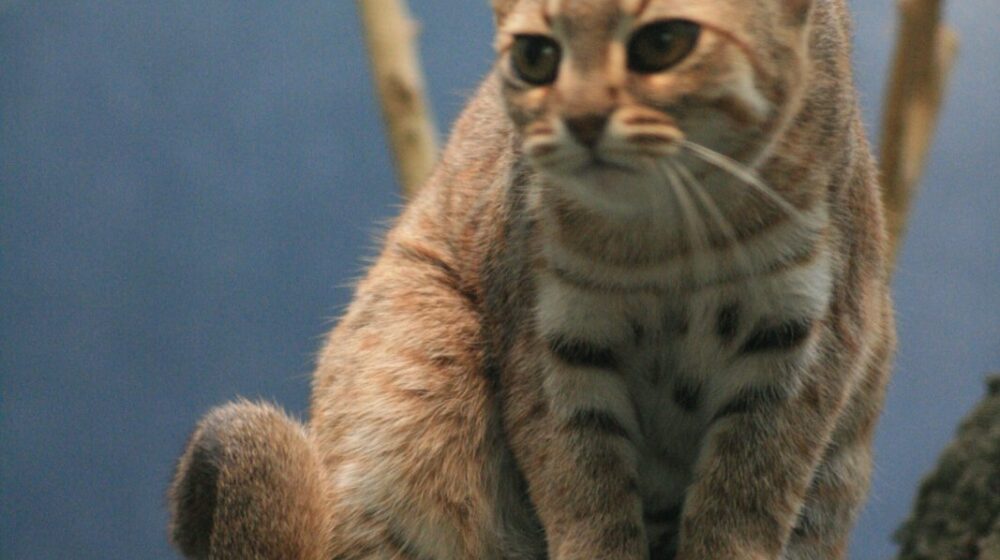
When researchers found a tiny, 300,000-year-old cat fossil at the Hualongdong site in eastern China, a cave already known for its ancient human remains, one of the first questions was whether the cat had been hunted or eaten.
The answer appears to be no. ‘It’s unclear whether these cats constituted part of the Hualongdong cave dwellers’ diet, due to the absence of human butchery marks on the fossil’s jawbone,’ said Jiangzuo Qigao of the Institute of Vertebrate Paleontology and Paleoanthropology, the study’s lead author.
Instead, Jiangzuo believes the cat, now identified as a new species called Prionailurus kurteni, may simply have shared the humans’ living space. ‘The food scraps of ancient people at Hualongdong site might have lured rats and those small leopard cats as well,’ he said, suggesting the leftovers drew rats, and the rats drew the cats.
The ancient feline was small enough to fit in the palm of a hand, comparable to today’s rusty-spotted cat and black-footed cat, the smallest living cat species. Finding the fossil intact at all was a stroke of luck, since cat bones rarely survive long enough to fossilise. The discovery, published in the BioOne Digital Library, also provided the first physical evidence linking leopard cats, domestic cats and Pallas’s cats to a shared ancestor.
Image: Wikimedia Commons/by UrLunkwill



Leave a Reply