Deer cause more harm than mountain lions: the wildlife stat every hiker should know
Wildlife safety guidance shows a car accident involving a deer is statistically more dangerous than an encounter with a mountain lion.
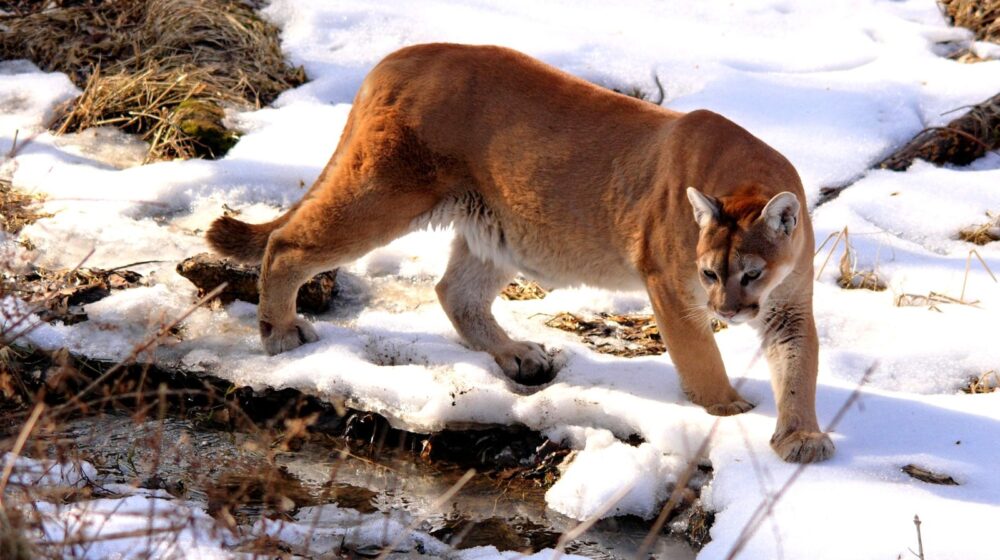
It sounds counterintuitive, but wildlife safety experts point out that a hiker is statistically more likely to be injured in a car accident involving a deer than by an actual mountain lion attack. The reassurance is meant to put outdoor risk in perspective: while the sight of a mountain lion or a grizzly bear is one of the biggest thrills of any adventure in a North American park, these animals remain genuinely wild and unpredictable, and preparation, not fear, is what keeps visitors safe.
When it comes to mountain lions specifically, biologists have identified one golden rule: never crouch. A person who is standing is less likely to be seen as prey, while someone squatting or bending over closely resembles a four-legged animal such as a deer. That means even picking up a child mid-encounter should be done while staying as upright as possible. If a lion moves toward a hiker, the guidance is to wave the arms slowly, speak firmly, and without turning away, throw stones or branches near the animal, avoiding its head and eyes, to show it that a fight isn’t worth the effort.
Preparation for any wildlife encounter starts before a hiker ever reaches the trailhead. Travelling in groups sharply reduces risk since most animals avoid larger numbers of people, and anyone with children should keep them close and in sight. Staying alert, rather than distracted by a phone or earbuds, gives hikers the best chance of noticing an animal before getting too close to it.
Bears require reading the situation carefully. A defensive bear, often one guarding food or cubs, may moan or swat the ground as a warning, and the safe response is to stay calm, speak softly and back away without running. A predatory bear, which shows quiet, sustained interest instead, calls for the opposite reaction entirely, standing ground, looking as large as possible, and shouting rather than retreating.
Large herbivores including moose, bison and elk are often overlooked as risks, yet they can be just as dangerous as predators, especially a moose protecting its young. Experts advise giving these animals plenty of room and turning back rather than attempting to pass one on a trail.
The overarching message from wildlife authorities is that most encounters end without incident because the animal chooses to avoid the human first, and the goal of every safety guideline is simply to keep it that way. Any serious encounter or attack should still be reported immediately to park rangers or local wildlife authorities.
Wikimedia Commons/by NaturesFan1226


Leave a Reply