Sotheby’s biggest surprise: a 19th-century bronze beats every forecast
A 19th-century bronze version of the ancient Laocoön sculpture, the Hamilton Laocoön, sold at Sotheby's in London for £13.6 million ($18.1 million), a record for a Neoclassical sculpture.
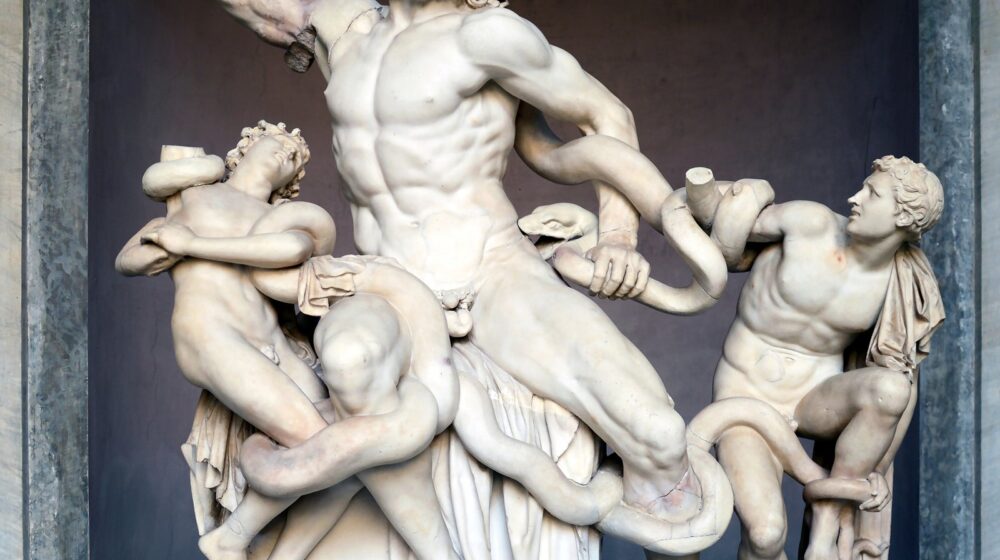
Among the highlights of Sotheby’s latest Old Masters evening sale in London, one lot outperformed every expectation. The Hamilton Laocoön, a life-sized 19th-century bronze, sold for £13.6 million ($18.1 million) against a pre-sale estimate of just £2 million to £3 million, becoming the most expensive Neoclassical sculpture ever sold at auction.
The bronze reinterprets Laocoön and His Sons, the marble masterpiece showing the Trojan priest Laocoön and his two sons fighting off giant serpents. That original was unearthed in Rome in 1506 and became one of the most influential discoveries of the Renaissance, inspiring artists and collectors for centuries afterward.
This particular bronze traces back to Napoleonic-era Paris, where a plaster cast of the marble was made at the Musée Napoléon in 1797 after the sculpture was taken there under the Treaty of Tolentino. British collector George Watson-Taylor commissioned a bronze from that cast, and French sculptor Auguste-Jean Marie Carbonneaux produced four monumental versions in 1817 — only a few of which survive, including one in the French Parliament and another at Houghton Hall in England.
Watson-Taylor never settled the commission’s costs, so the bronze reached the auction market soon after it was completed. It was bought by writer William Beckford, then passed to the Duke of Buckingham and Chandos and the Duke of Hamilton, before selling again in the duke’s 17-day Christie’s estate sale in 1882 to industrialist Thomas Merthyr Guest.
It remained with the Guest family for generations, rarely seen publicly, until this week’s sale — its first auction appearance in around 150 years. The evening sale also included a restored early Rembrandt, Let the Little Children Come Unto Me (1627), which sold for £8 million, plus works by Edwin Landseer, William Hodges and Sandro Botticelli.
Wikimedia Commons/by LivioAndronico
Leave a Reply