Maharashtra’s Export Push Just Reached Every District: Here’s How
Maharashtra's export promotion drive has extended into districts like Gondia and Bhandara as the India-UK CETA trade pact takes effect, with Vidarbha exporters among those gaining near duty-free access to the UK market.
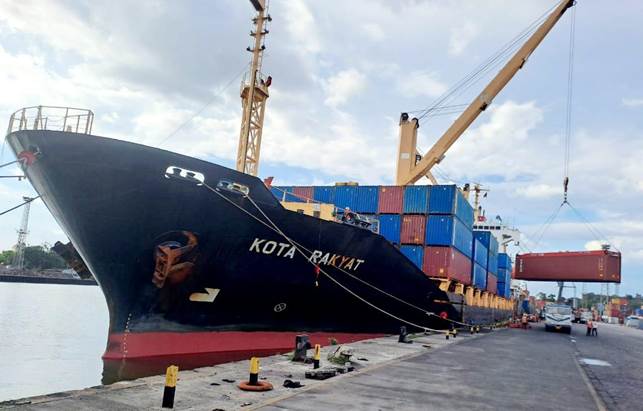
Maharashtra’s export promotion drive has widened its reach well beyond the state’s traditional industrial belt, according to officials speaking as the India-UK Comprehensive Economic and Trade Agreement (CETA) came into effect. Principal secretary (industries) P Anbalagan, speaking at the CETA announcement event in Mumbai, said close to 300 district export promotion council meetings have been held across the state, including in Amravati, Nagpur and Akola, drawing about 1.5 lakh participants and extending the effort into districts such as Gondia and Bhandara.
Anbalagan said seven to nine districts currently account for more than 70% of the state’s exports, and the ongoing push aims to widen that base. ‘Export is not just a mere phenomenon of urban prosperity and industrial establishments. It is a phenomenon across the state,’ he said. At the same Mumbai ceremony, chief minister Devendra Fadnavis said, ‘From Mumbai to Nagpur, from Pune to Chhatrapati Sambhajinagar, from Nashik to Ratnagiri and from Kolhapur to Gadchiroli, every region has the opportunity to participate in the new chapter of growth.’
The Vidarbha region is among the first to act on that opportunity. The Nag Vidarbha Chamber of Commerce (NVCC), representing 13 lakh traders in the region, said CETA’s near duty-free access to the UK would change prospects for local exporters. NVCC former president Ashwin Mehadia said reduced tariffs would open new avenues of international trade for Vidarbha, while vice-president Swapnil Ahirkar said the region’s existing exports of rice, pharma, textiles and minerals, along with a growing services sector, give it a strong base to build on.
Under CETA, 99% of India’s tariff lines will enter the UK duty-free from day one. Gems and jewellery tariffs fall from 4% to zero, pharmaceuticals from 8% to zero, iron and steel from 10% to zero, and textiles from 12% to zero, while agricultural products get 95% duty-free access on agreed tariff lines. A first jewellery consignment worth about USD 10 million was shipped to the UK as the pact came into force, involving 27 exporters from six major jewellery centres.
NVCC secretary Hemant Sarda said the region still needs stronger export infrastructure to fully capture the opportunity created by CETA, adding that trade agreements like this one make Vidarbha’s products more competitive abroad.
Trade between India and the UK currently stands at nearly USD 56 billion, with both countries aiming to double that figure by 2030.
Image credit: Wikimedia Commons / Ministry of Ports, Shipping and Waterways (GODL-India)



Leave a Reply