Why did silos define the Corn Belt for 150 years? One family’s story explains it
As concrete silos vanish from the American Corn Belt after 150 years, one woman's six-year project to document nearly 200 built by her grandfather is preserving their history.
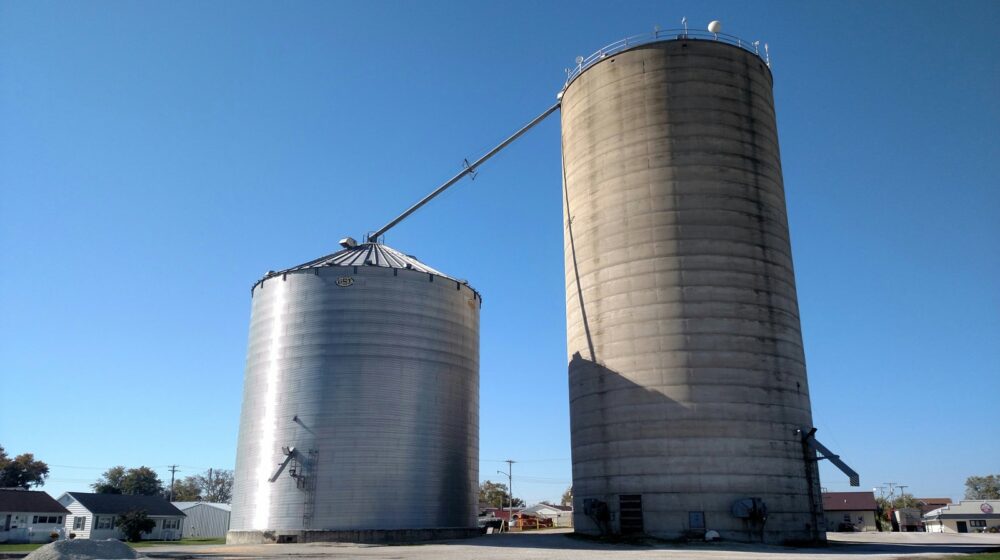
For much of the late 19th and early 20th centuries, silos were among the most important structures on farms across the American Midwest, according to a report by KCUR, National Public Radio in Kansas City. They stored silage, or fermented forage, that provided nutritious feed for livestock throughout the year, and as dairy and cattle farming expanded across states such as Kansas, Iowa, Nebraska and Missouri, the tall cylindrical towers became an almost universal feature of family farms.
Built from concrete, brick, stone or wood, many silos were constructed to last for decades and became local landmarks, reflecting the craftsmanship of the builders who put them up. One such builder was Frank May, a well-known concrete silo builder in northern Illinois, whose work is now the subject of a six-year documentation project led by his granddaughter, Marianne May.
She has identified, photographed and mapped nearly 200 silos built by her grandfather, travelling across rural communities and speaking with the landowners who still live beside the surviving structures. What began as a personal effort to trace her grandfather’s craftsmanship has evolved into a valuable record of rural agricultural history, the KCUR report noted.
The decline of these upright silos reflects broader changes in farming. Advances in technology have introduced more efficient storage methods, including bunker silos and silage bags, better suited to today’s mechanised farms, and many older silos have fallen into disuse, with some demolished over safety concerns, maintenance costs or changing land use.
Preservation experts say the surviving structures represent far more than old farm buildings: they embody the legacy of agricultural advancement and rural craftsmanship that shaped the Midwest. Marianne May’s project, by recording the locations, histories and condition of nearly 200 silos, ensures that even where the towers themselves cannot be saved, the story behind them will endure.
Wikimedia Commons/by TheTechnician27



Leave a Reply