A 17-year-old’s science project could change how autism gets diagnosed
Edward Kang, a 17-year-old student from New Jersey, built an AI tool called RetinaMind that screens for autism and ADHD by analysing retinal images.
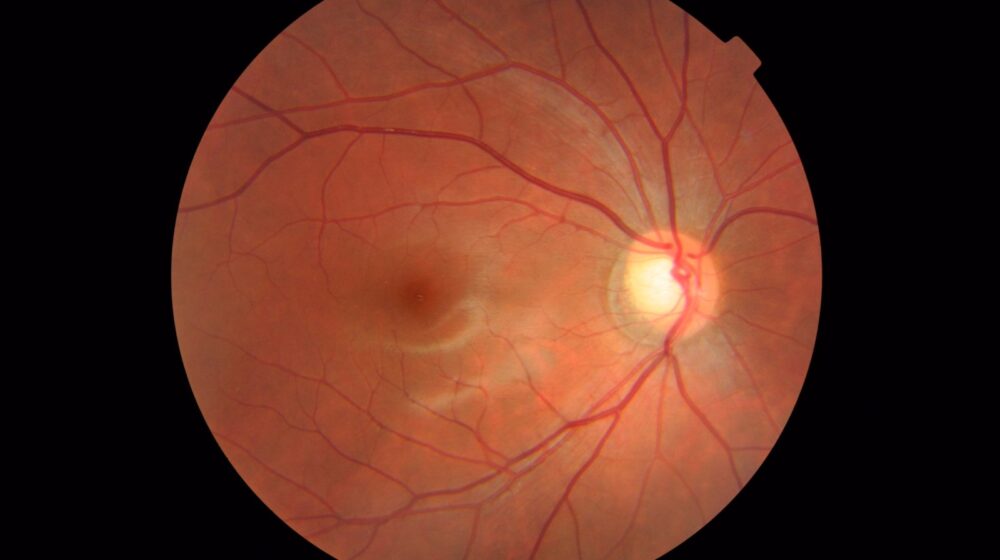
A school science project has turned into an award-winning innovation for Edward Kang, a 17-year-old student from New Jersey who developed an artificial intelligence tool capable of screening for autism spectrum disorder and attention-deficit/hyperactivity disorder by analysing retinal images.
Called RetinaMind, the experimental AI examines photographs of the back of the eye to identify subtle patterns associated with the two neurodevelopmental conditions. Kang, a senior at Bergen County Academies in Hackensack, began working on the project in 2023 after reading research suggesting that the retina could offer clues about neurological conditions, since the retina and the brain develop from the same embryonic tissue.
To build RetinaMind, Kang trained the AI using publicly available retinal image datasets, analysing retinal fundus photographs for microscopic patterns linked to autism, ADHD and neurotypical individuals. Alongside the AI, he created retinal cell models to investigate the biological reasons behind these differences, identifying several genes, including ABCA4, that may warrant further study.
In initial research testing, RetinaMind achieved 89% diagnostic accuracy, though that figure comes from public research datasets rather than real-world hospital settings, and the system has not yet undergone the large-scale clinical trials needed before it could be considered for routine medical use.
Experts stress that RetinaMind is not a replacement for clinical diagnosis, which relies on comprehensive evaluations including behavioural assessments and psychological testing. Even so, it represents a growing area of research into the retina as a window into brain health, alongside similar studies on Alzheimer’s, Parkinson’s and schizophrenia.
Image: Wikimedia Commons/by OptometrusPrime
Leave a Reply