One wrong turn in the fog sent this ship into 136 deaths
In January 1906, thick fog and poor visibility sent the SS Valencia off course near Vancouver Island, leading to one of the deadliest maritime disasters in the Pacific Northwest.
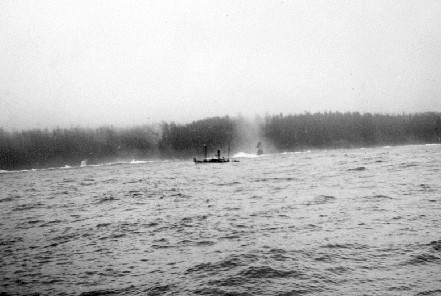
In January 1906, the SS Valencia was nearing the end of what should have been a routine passenger voyage from San Francisco to Seattle. As the vessel approached the waters near Vancouver Island, thick fog, strong winds and difficult navigation pushed it away from its intended course.
Instead of reaching the entrance to the Strait of Juan de Fuca, the narrow passage separating Vancouver Island from the mainland, the Valencia continued toward one of the most dangerous stretches of coastline in North America. On January 22, 1906, with visibility poor, the ship failed to identify its position correctly and headed straight for the exposed western coastline of Vancouver Island.
The ship entered the waters at night, when identifying landmarks was even harder. As it moved closer to shore, depth measurements showed the water becoming dangerously shallow. Shortly after midnight, the Valencia struck rocks near Pachena Point, damaging its hull and leaving it trapped against the coastline, exposed to heavy waves.
According to the Government of Canada, 136 passengers, including 17 women and 11 children, died in the disaster, and only 37 survived. Only 21% of the crew made it out alive. The tragedy exposed failures in navigation, emergency preparation and coastal rescue systems, and remains one of the deadliest maritime disasters in the Pacific Northwest.
Image: Wikimedia Commons


Leave a Reply